


Big Bang Theory
The Big Bang theory is an effort to explain what happened at the very beginning of our universe. Discoveries in astronomy and physics have shown beyond a reasonable doubt that our universe did in fact have a beginning. Prior to that moment there was nothing; during and after that moment there was something: our universe. The big bang theory is an effort to explain what happened during and after that moment.
According to the standard theory, our universe sprang into existence as "singularity" around 13.7 billion years ago. What is a "singularity" and where does it come from? Well, to be honest, we don't know for sure. Singularities are zones which defy our current understanding of physics. They are thought to exist at the core of "black holes." Black holes are areas of intense gravitational pressure. The pressure is thought to be so intense that finite matter is actually squished into infinite density (a mathematical concept which truly boggles the mind). These zones of infinite density are called "singularities." Our universe is thought to have begun as an infinitesimally small, infinitely hot, infinitely dense, something - a singularity. Where did it come from? We don't know. Why did it appear? We don't know.
After its initial appearance, it apparently inflated (the "Big Bang"), expanded and cooled, going from very, very small and very, very hot, to the size and temperature of our current universe. It continues to expand and cool to this day and we are inside of it: incredible creatures living on a unique planet, circling a beautiful star clustered together with several hundred billion other stars in a galaxy soaring through the cosmos, all of which is inside of an expanding universe that began as an infinitesimal singularity which appeared out of nowhere for reasons unknown. This is the Big Bang theory.
13.7 Billion BC ( 137000 Lakhs ) of years ago
4 Billion BC Formation of a greenstone belt ( 40000 Lakhs) of years ago
Formation of a greenstone belt of the Acasta Gneiss of the Slave craton in Northwest Territories, Canada, the oldest rock belt in the world.
4.1 to 3.8 Billion BC ( 41000 to 38000 Lakhs ) of years ago
Late Heavy Bombardment (LHB): extended barrage of impact events upon the inner planets by meteoroids. Thermal flux from widespread hydrothermal activity during the LHB may have been conducive to abiogenesis and life's early diversification. "Remains of biotic life" were found in 4.1 billion-year-old rocks in Western Australia. According to one of the researchers, "If life arose relatively quickly on Earth ... then it could be common in the universe."
3.9 to 2.5 Billion BC (39000 to 25000 Lakhs ) of years ago
Cells resembling prokaryotes appear.
( A microscopic single-celled organism which has neither a distinct nucleus with a membrane nor other specialized organelles, including the bacteria and cyanobacteria. )
These first organisms are chemoautotrophs: they use carbon dioxide as a carbon source and oxidize inorganic materials to extract energy. Later, prokaryotes evolve glycolysis, a set of chemical reactions that free the energy of organic molecules such as glucose and store it in the chemical bonds of ATP. Glycolysis (and ATP) continue to be used in almost all organisms, unchanged, to this day.

3.9 Billion BC ( FIRST LIFE ) (39000 Lakhs) of years ago
3900 Ma Cells resembling prokaryotes appear. This marks the first appearance of photosynthesis and therefore the first occurrence of large quantities of atmospheric oxygen on the earth. 2500 Ma First organisms to utilize oxygen. By 2400 Ma, in what is referred to as the Great Oxygenation Event, the pre-oxygen anaerobic forms of life were wiped out by the oxygen consumers.
2100 Ma More complex cells appear: the eukaryotes.
Formation of a greenstone belt of the Isua complex of the western Greenland region, whose rocks show an isotope frequency suggestive of the presence of life. The earliest evidences for life on Earth are graphite found to be biogenic in 3.7 billion-year-old metasedimentary rocks discovered in western Greenland and microbial mat fossils found in 3.48 billion-year-old sandstone discovered in Western Australia.
3.5 Billion BC (35000 Lakhs) of years ago
Lifetime of the last universal common ancestor (LUCA); the split between bacteria and archaea occurs.
Bacteria develop primitive forms of photosynthesis which at first did not produce oxygen. These organisms generated Adenosine triphosphate by exploiting a proton gradient, a mechanism still used in virtually all organisms.
The Isua Greenstone Belt is an Archean greenstone belt in southwestern Greenland. The belt is aged between 3.7 and 3.8 Ga, making it the home of the oldest rock in the world. The belt contains variably metamorphosed mafic volcanic and sedimentary rocks. The occurrence of boninitic geochemical signatures offers evidence that plate tectonic processes may have been responsible for the creation of the belt. However, this has recently been disputed by earth scientists who offer up a new theory for the formation of the Isua Greenstone Belt.

3.5 to 3 Billion BC ( PHOTOSYNTHESIS ) ? (35000 to 30000 Lakhs) of years ago
Photosynthesizing cyanobacteria evolved; they used water as a reducing agent, thereby producing oxygen as a waste product. The oxygen initially oxidizes dissolved iron in the oceans, creating iron ore. The oxygen concentration in the atmosphere slowly rose, acting as a poison for many bacteria and eventually triggering the Great Oxygenation Event. The Moon, still very close to Earth, caused tides 1,000 feet (305 m) high.[citation needed] The Earth was continually wracked by hurricane-force winds. These extreme mixing influences are thought to have stimulated evolutionary processes.[citation needed]. Life on land likely developed at this time.
2.5 Billion BC ( PROTOEROZOIC ) (25000 Lakhs) of years ago
PROTOEROZOIC
End of the Archaean Eon and beginning of the Protoerozoic Eon.
The Proterozoic Eon extended from 2500 Ma to 542.0±1.0 Ma (million years ago), and is the most recent part of the Precambrian. It is subdivided into three geologic eras (from oldest to youngest): the Paleoproterozoic, Mesoproterozoic, and Neoproterozoic.
Great Oxygenation Event led by cyanobacteria's oxygenic photosynthesis. Commencement of plate tectonics with old marine crust dense enough to subduct.
2.4 Billion BC ( Great Oxygen Poisoning ) (24000 Lakhs) of years ago
Great Oxygen Poisoning
The Great Oxygenation Event (GOE), also called the Oxygen Catastrophe, Oxygen Crisis, Oxygen Holocaust, Oxygen Revolution, or Great Oxidation, was the biologically induced appearance of dioxygen (O2) in Earth's atmosphere. Although geological, isotopic, and chemical evidence suggest that this major environmental change happened around 2.3 billion years ago (2.3 Ga),the actual causes and the exact date of the event are very contested amongst the scientific community. It has been argued that current geochemical and biomarker evidence for the development of oxygenic photosynthesis before the Great Oxidation Event has been mostly inconclusive.
Oceanic cyanobacteria, having developed into multicellular forms more than 2.3 billion years ago (approximately 200 million years before the GOE), became the first microbes to produce oxygen by photosynthesis. Before the GOE, any free oxygen they produced was chemically captured by dissolved iron or organic matter. The GOE was the point when these oxygen sinks became saturated and could not capture all of the oxygen that was produced by cyanobacterial photosynthesis. After the GOE, the excess free oxygen started to accumulate in the atmosphere.
Cyanobacteria: Responsible for the buildup of oxygen in the earth's atmosphere
The increased production of oxygen set Earth's original atmosphere off balance. Free oxygen is toxic to obligate anaerobic organisms, and the rising concentrations may have wiped out most of the Earth's anaerobic inhabitants at the time. Cyanobacteria were therefore responsible for one of the most significant extinction events in Earth's history. Besides marine Cyanobacteria, there is also evidence of Cyanobacteria on land.
A spike in chromium contained in ancient rock deposits shows that these rocks, formed underwater, had accumulated chromium washed off from continental shelves by rivers. The researchers chose to focus on chromium because it is not easily dissolved and its release would have required the presence of a powerful acid. One such acid is sulphuric acid, that would have been created through bacterial reactions with pyrite. Though Cyanobacteria are responsible for the GOE, they are not the only organisms capable of releasing oxygen. Research has shown that microbial mats of oxygen-producing microbes will produce a thin layer, one or two millimeters thick, of oxygenated water in an otherwise anoxic environment even under thick ice, and before oxygen started accumulating in the atmosphere, organisms living on these mats would already be adapted to being exposed to oxygen. Additionally, the free oxygen reacted with atmospheric methane, a greenhouse gas, greatly reducing its concentration and triggering the Huronian glaciation, possibly the longest snowball Earth episode in Earth's history.
Eventually, aerobic organisms evolved, consuming oxygen and bringing about an equilibrium in its availability. Free oxygen has been an important constituent of the atmosphere ever since.
2.3 Billion BC ( THE FIRST KNOWN ICE AGE ) (23000 Lakhs) of years ago
THE FIRST KNOWN ICE AGE
There have been at least five major ice ages in the earth's past (the Huronian, Cryogenian, Andean-Saharan, Karoo Ice Age and the Quaternary glaciation). Outside these ages, the Earth seems to have been ice-free even in high latitudes.
Rocks from the earliest well established ice age, called the Huronian, formed around 2.4 to 2.1 Ga (billion years) ago during the early Proterozoic Eon. Several hundreds of km of the Huronian Supergroup are exposed 10–100 km north of the north shore of Lake Huron extending from near Sault Ste. Marie to Sudbury, northeast of Lake Huron, with giant layers of now-lithified till beds, dropstones, varves, outwash, and scoured basement rocks. Correlative Huronian deposits have been found near Marquette, Michigan, and correlation has been made with Paleoproterozoic glacial deposits from Western Australia.
The next well-documented ice age, and probably the most severe of the last billion years, occurred from 850 to 630 million years ago (the Cryogenian period) and may have produced a Snowball Earth in which glacial ice sheets reached the equator,possibly being ended by the accumulation of greenhouse gases such as CO2 produced by volcanoes. "The presence of ice on the continents and pack ice on the oceans would inhibit both silicate weathering and photosynthesis, which are the two major sinks for CO2 at present."[34] It has been suggested that the end of this ice age was responsible for the subsequent Ediacaran and Cambrian explosion, though this model is recent and controversial.
The Andean-Saharan occurred from 460 to 420 million years ago, during the Late Ordovician and the Silurian period.

2.1 Billion BC ( FIRST KNOWN EUKARYOTES) (21000 Lakhs) of years ago
FIRST KNOWN EUKARYOTES
First known eukaryotes (organism whose cells contain complex structures enclosed within membranes).
Origin of eukaryotes
The origin of the eukaryotic cell is considered a milestone in the evolution of life, since eukaryotes include all complex cells and almost all multicellular organisms. The timing of this series of events is hard to determine; Knoll (2006) suggests they developed approximately 1.6–2.1 billion years ago. Some acritarchs are known from at least 1.65 billion years ago, and the possible alga Grypania has been found as far back as 2.1 billion years ago. The Geosiphon-like fossil fungus Diskagma has been found in paleosols 2.2 billion years old
Organized living structures have been found in the black shales of the Palaeoproterozoic Francevillian B Formation in Gabon, dated at 2.1 billion years old. Eukaryotic life could have evolved at that time. Fossils that are clearly related to modern groups start appearing an estimated 1.2 billion years ago, in the form of a red alga, though recent work suggests the existence of fossilized filamentous algae in the Vindhya basin dating back perhaps to 1.6 to 1.7 billion years ago.
Biomarkers suggest that at least stem eukaryotes arose even earlier. The presence of steranes in Australian shales indicates that eukaryotes were present in these rocks dated at 2.7 billion years old.

2 Billion BC ( RESPIRATION) (20000 Lakhs) of years ago
In physiology, respiration is defined as the movement of oxygen from the outside air to the cells within tissues, and the transport of carbon dioxide in the opposite direction.
The physiological definition of respiration should not be confused with the biochemical definition of respiration, which refers to cellular respiration: the metabolic process by which an organism obtains energy by reacting oxygen with glucose to give water, carbon dioxide and 38ATP (energy). Although physiologic respiration is necessary to sustain cellular respiration and thus life in animals, the processes are distinct: cellular respiration takes place in individual cells of the organism, while physiologic respiration concerns the bulk flow and transport of metabolites between the organism and the external environment.
None of us would be here today if, billions of years ago, a tiny, single-celled organism hadn't started using oxygen to make a living. Researchers don't know exactly when this happened, or why, but a team of scientists has come closer than ever before to finding out. They've identified the earliest known example of aerobic metabolism, the process of using oxygen as fuel. The discovery may even provide clues as to where the oxygen came from in the first place.
To travel so far back in time, evolutionary bioinformaticist Gustavo Caetano-Anollés of the University of Illinois, Urbana-Champaign, along with colleagues in China and South Korea, did a bit of molecular sleuthing. They scoured published genomes from all groups of organisms-although they didn't include viruses in this study-focusing on pieces of proteins known as domains. These pieces have their own distinguishing shapes that provide clues to the protein's function and can be categorized based on various characteristics. Just like a Victorian house has certain features that set it apart from a Tudor mansion, researchers can tell the difference between different domains based on their shape.
Over time, proteins with multiple domains can switch them in and out like Lego blocks, Caetano-Anollés says. This is problematic because the shuffling can obscure the evolutionary origin of a domain. So his group analyzed only proteins with one domain that encoded one function. The researchers hoped that by limiting their study to domains that were involved in aerobic metabolism, they could trace the history of the process.
The team produced a kind of molecular clock by establishing an evolutionary sequence for single-domain proteins. Caetano-Anollés and his colleagues could then tie that sequence to the geologic timeline. By correlating the appearance of domains integral to events such as the rise of eukaryotes, organisms with membrane-bound cellular structures, they could determine an approximate date for the origin of particular domains. "Molecular clocks aren't perfect," Caetano-Anollés acknowledges. "And sometimes they misbehave. But the [domains] that we sampled that were linked to clear-cut events had good agreement."
The researchers found that the most ancient aerobic process was the production of pyridoxal, or the active form of vitamin B6, they report today in Structure. This reaction appeared about 2.9 billion years ago, along with an oxygen-producing enzyme called manganese catalase. This enzyme detoxifies hydrogen peroxide by breaking it down into water and oxygen. Caetano-Anollés hypothesizes that early organisms got the oxygen they needed to produce vitamin B6 from this breakup of hydrogen peroxide. The authors argue that these ancient organisms would have encountered massive amounts of hydrogen peroxide in their environment due to the bombardment of glacial ice by ultraviolet radiation, which can generate the compound.
"It's a great paper in terms of the evolution of protein [domains]," says Paul Falkowski, an evolutionary biogeochemist at Rutgers University in New Brunswick, New Jersey, who wasn't involved in the study. But Timothy Lyons, a biogeochemist at the University of California, Riverside, is skeptical that high levels of hydrogen peroxide were produced by glaciers. "There is little direct evidence for a hydrogen peroxide spike at this time," he says. Still, he says the study is a compelling effort at pinpointing the evolutionary origin of aerobic metabolism.

1.6 to1 Billion BC ( MESOPROTEROZOIC ERA ) (16000 Lakhs) of years ago
The Mesoproterozoic Era is a geologic era that occurred from 1,600 to 1,000 million years ago. The Mesoproterozoic was the first period of Earth's history of which a respectable geological record survives. Continents existed in the Paleoproterozoic, but we know little about them. It is noteworthy that the continental masses of the Mesoproterozoic are more or less the same ones that are with us today.
Fossilized filamentous algae from the Vindhya basin have been dated back to 1.6 to 1.7 billion years ago.
1.6 Billion BC ( ALGAE ) (16000 Lakhs) of years ago
1.4 Billion BC (14000 Lakhs) of years ago
Great increase in stromatolite diversity.
Fossilized stromatolites provide ancient records of life on Earth by these remains, some of which date from more than 3.5 billion years ago. Lichen stromatolites are a proposed mechanism of formation of some kinds of layered rock structure that are formed above water, where rock meets air, by repeated colonization of the rock by endolithic lichens.

1.2 Billion BC (12000 Lakhs) of years ago
Meiosis and sexual reproduction are present in single-celled eukaryotes, and possibly in the common ancestor of all eukaryotes. Sex may even have arisen earlier in the RNA world. Sexual reproduction first appears in the fossil records; it may have increased the rate of evolution.
1.2 Billion BC (12000 Lakhs) of years ago
Meiosis and sexual reproduction are present in single-celled eukaryotes, and possibly in the common ancestor of all eukaryotes. Sex may even have arisen earlier in the RNA world. Sexual reproduction first appears in the fossil records; it may have increased the rate of evolution.
1 Billion BC ( COLONY OF ALGAE ) (10000 Lakhs) of years ago
COLONY OF ALGAE
The next big step in evolution was when algae began to live together in colonies.
By living together, algae gained in several ways:
They were larger than any protozoan, so they could not be eaten so easily.
Their cells could specialize to do just one job. For example some cells, the reproductive cells, specialized in making new colonies. Cells which specialized did their job better than cells which didn’t, so the colony gained.
Specialized cells in colonies could do new types of job which could not be done by single cells living alone. For example some cells specialized in swimming.
Colonies of algae probably first appeared around 1 billion years ago. The simplest ones had only a few cells forming a flat plate. More advanced ones formed solid balls.
850 Million BC ( CRYOGENIAN PERIOD ) (8500 Lakhs) of years ago
CRYOGENIAN PERIOD
The Cryogenian period was ratified in 1990 by the International Commission on Stratigraphy. In contrast to most other time periods, the beginning of the Cryogenian is not linked to a globally observable and documented event. Instead the base of the period is defined by a fixed rock age, that was set at 850 million years until 2015, when it was changed to 720 million years.
This is problematic as estimates of rock ages are variable and are subject to laboratory error. For instance, the time scale of the Cambrian Period is not reckoned by rock younger than a given age (541 million years), but by the appearance of the worldwide Treptichnus pedum diagnostic trace fossil assemblages. This means that rocks can be recognized as Cambrian when examined in the field and do not require extensive testing to be performed in a lab to find a date.
Currently, there is no consensus on what global event is a suitable candidate to mark the start of the Cryogenian Period, but a global glaciation would be a likely candidate.
Ancient animals may have started their drive toward explosive diversity back when the Earth was a giant snowball, new research suggests.
A startling expansion in the diversity of life forms began about 540 million years ago, early in the Cambrian period. During this apparently sudden outburst, known as the Cambrian explosion, all the major groups of animals seemed to materialize rapidly. Scientists have debated the causes of this great flowering of life for centuries.
Now researchers have new evidence that major groups of animals actually may have existed many tens of millions of years before this seeming flurry of diversity. This early activity helped light the fuse of the later Cambrian explosion.
Scientists analyzed the fossil record and genomes of existing organisms that are related to Cambrian species. The aim was to figure out when different lineages of animals diverged from each other.
The results suggest that many of Earth's early organisms developed the genetic programs for their body plans during the Cryogenian period, which spanned from 635 million to 850 million years ago, with the last common ancestor of all living animals originating nearly 800 million years ago. These early creatures may then have flourished later in more favorable environments — say, when more oxygen was around — leaving behind enough fossils to survive up to now.
"We see that there's this long lag between the evolution of the developmental toolkits for their bodies and the explosion of diversity we see in the fossil record," said researcher Douglas Erwin, curator of paleozoic invertebrates at the Smithsonian National Museum of Natural History.
During the Cryogenian period, recent studies suggest the planet may have been a "Snowball Earth" at times, completely coated in ice for stints lasting millions of years. Researchers have suggested the deep freeze could have spurred the evolution of animals by pumping a surge of nutrients into the oceans.
"Lots of lineages of animals appear to have their start back in the Cryogenian,"
The burst in diversity later seen in the Cambrian might then be due to how traits of animals evolved and interacted with each other while Earth was a frozen orb. This interaction spurred the development of more features, and thus greater diversity. For instance, the advent of multicellular predators might have triggered arms races between hunters and prey, and sponges and burrowing worms around at the time might have altered the landscape in ways that helped other life flourish, just as earthworms do now by churning up soil.
"The explanation for what happened in the Cambrian lay in how organisms modified their environment," Erwin said.
750 Million BC, First protozoa (7500 Lakhs) of years ago
Protozoa
Eukaryotes could now get a great deal of energy which they could use in new ways. They could feed by pulling in sacs of membrane and so swallowing and digesting bacteria. Eukaryotes which ate bacteria are called protozoa, meaning first animals. One of these is a protozoan.
4.6 Billion BC ( 46000 Lakhs) of years ago
The planet Earth forms from the accretion disc revolving around the young Sun with organic compounds (complex organic molecules) necessary for life having perhaps formed in the protoplanetary disk of cosmic dust grains surrounding it before the formation of the Earth
The beginning. Precambrian. The Precambrian accounts for 85% of geologic earth time. The Precambrian Era started 4.6 billion years ago and ended 544 million years ago.
4.6 billion years ago the earth formed from rock, ice and dust in space that was pulled together by gravity. About 4 billion years ago the oceans formed from water vapors in the air that rained down for about 40,000 years non-stop. Scientist have found the oldest rock in the northwest area of Canada dating about 3 and a half billion years old.
4.5 Billion BC ( 45000 Lakhs) of years ago
According to the giant impact hypothesis, the Moon was formed when the planet Earth and the hypothesized planet Theia collided, sending a very large number of moon lets into orbit around the young Earth which eventually coalesce to form the Moon. The gravitational pull of the new Moon stabilized the Earth's fluctuating axis of rotation and set up the conditions in which abiogenesis occurred.
Theia is a hypothesized ancient planetary-mass object in the early Solar System that, according to the giant impact hypothesis, collided with the early Earth around 4.31 billion years ago (bya). According to the hypothesis, Theia was an Earth trojan about the size of Mars, with diameter of about 6,000 km (3,700 miles). Geologist Edward Young of the University of California, Los Angeles, drawing on an analysis of rocks collected by Apollo missions 12, 15, and 17, suggests that Theia collided head-on with Earth, in contrast to the previous theory that suggested a glancing impact. Models of the impact propose that Theia's debris gathered around Earth to form the early Moon. Some scientists think that the material thrown into orbit originally formed two moons that later merged to form the single moon we know today. The Theia hypothesis also explains why Earth's core is larger than would be expected for a body its size: according to the hypothesis, Theia's core and mantle mixed with Earth's.

countering all the previous theories on how our Moon came into existence, a new study suggests that it was a giant and violent head-on collision between the Earth and another forming planet called Theia nearly 4.5 billion years ago that led to the formation of our Moon.
Previous studies have suggested that Theia collided with Earth nearly 4.5 billion years ago but at an angle of 45 degrees that gave birth to moon. However, researchers from the University of California, Los Angeles (UCLA), conducted a new study from the scratch and found that it was a head-on collision that led to death of Theia and gave birth to the Moon.
The theory is based on the results obtained after comparing the seven rock samples taken from the Moon during Appolo 12, 15 and 17 missions and six volcanic rock samples from the Earth. Study authors then measured the ratio of oxygen isotopes in each sample. Every celestial body has a different ratio and oxygen composition.
Rocks on the Earth contain 99 percent 0-16 Oxygen molecules that have exactly eight protons and eight neutrons. While remaining .01 percent is made up of heavier isotopes of Oxygen that have one or two extra neutrons.
Researchers were astonished to see that the lunar rocks had exactly same oxygen composition when compared to the Earth. This led to the theory that the Moon and the Earth were same just like a single body millions of years ago.
Scientists used UCLA’s new highly advanced mass spectrometer for analysing the oxygen isotopes with ultra-high precision. Now, scientists needed to establish a theory that could explain how the two bodies can have exactly same composition.
Later, study authors concluded that Theia and Earth thoroughly got mixed with each other during a head-on collision leaving behind Moon. Since Theia got mixed with the Earth so well, that’s why we don’t see any traces of the forming planet now.
650 Million BC ( SNOWBALL EARTH ) (6500 Lakhs ) of years ago
SNOWBALL EARTH
The Snowball Earth hypothesis proposes that Earth's surface became entirely or nearly entirely frozen at least once, sometime earlier than 650 Mya (million years ago). Proponents of the hypothesis argue that it best explains sedimentary deposits generally regarded as of glacial origin at tropical paleolatitudes, and other otherwise enigmatic features in the geological record. Opponents of the hypothesis contest the implications of the geological evidence for global glaciation, the geophysical feasibility of an ice- or slush-covered ocean,and the difficulty of escaping an all-frozen condition. A number of unanswered questions exist, including whether Earth was a full snowball, or a "slushball" with a thin equatorial band of open (or seasonally open) water.
The geological time frames under consideration come before the sudden radiation of multicellular bioforms on Earth known as the Cambrian explosion, and the most recent snowball episode indeed may have triggered the evolution of multicellularity. Another, much earlier and longer snowball episode, the Huronian glaciation, which occurred 2400 to 2100 Mya, may have been triggered by the first appearance of oxygen in the atmosphere, the "Great Oxygenation Event."
ബാക്കി ഡാറ്റാ കളക്റ്റ് ചെയ്തുകൊണ്ടും, ഫോട്ടോകൾ എഡിറ്റു ചെയ്തുകൊണ്ടും ഇരിക്കുന്നു. താമസം വരുന്ന പ്രധാനകാരണം കലഗണന പലസ്ഥലങ്ങളിലും പലതായാണ് കൊടുത്തിരിക്കുന്നത് എന്നതാണ് . പുതിയ സയൻസ് ജേർണലുകളിൽ 100 ലക്ഷം വർഷം വരെയാണ് മാറ്റം വരുന്നത്! അതിനാൽ ഇതിൽ പറയുന്ന സമയം ആപേക്ഷീകമാണ് എപ്പോൾ വേണമെങ്കിലും പുതിയ തിയറി അനുസരിച്ച് മാറാം.
635 to 542 Million BC, Early Animals ( EDIACARAN PERIOD ) ( 6350 to 5420 Lakhs) of years ago
The Ediacaran Period
The Ediacaran Period named after the Ediacara Hills of South Australia,
When Charles Darwin wrote On the Origin of Species, he and most paleontologists believed that the oldest animal fossils were the trilobites and brachiopods of the Cambrian Period, now known to be about 540 million years old. Many paleontologists believed that simpler forms of life must have existed before this but that they left no fossils. A few believed that the Cambrian fossils represented the moment of God's creation of animals, or the first deposits laid down by the biblical flood. Darwin wrote, "the difficulty of assigning any good reason for the absence of vast piles of strata rich in fossils beneath the Cambrian system is very great," yet he expressed hope that such fossils would be found, noting that "only a small portion of the world is known with accuracy."
Since Darwin's time, the fossil history of life on Earth has been pushed back to 3.5 billion years before the present. Most of these fossils are microscopic bacteria and algae. However, in the latest Proterozoic — a time period now called the Ediacaran, or the Vendian, and lasting from about 635 to 542 million years ago* — macroscopic fossils of soft-bodied organisms can be found in a few localities around the world, confirming Darwin's expectations.
Life
What was life like 560 million years ago? Bacteria and green algae were common in the seas, as were the enigmatic acritarchs, planktonic single-celled algae of uncertain affinity. But the Ediacaran also marks the first appearance of a group of large fossils collectively known as the "Ediacara biota."
The question of what these fossils are is still not settled to everyone's satisfaction; at various times they have been considered algae, lichens, giant protozoans, or even a separate kingdom of life unrelated to anything living today. Some of these fossils are simple blobs that are hard to interpret and could represent almost anything. Some are most like cnidarians, worms, or soft-bodied relatives of the arthropods. Others are less easy to interpret and may belong to extinct phyla. But besides the fossils of soft bodies, Ediacaran rocks contain trace fossils, probably made by wormlike animals slithering over mud. The Ediacaran rocks thus give us a good look at the first animals to live on Earth.
The Ediacaran is the youngest period of three that make up the Neoproterozoic Era, which in turn is the youngest of three eras within the Proterozoic Eon. The Ediacaran is sandwiched between the older Cryogenian Period and the younger Cambrian Period.
Many paleontologists held little hope that fossils would ever be found in rocks so ancient as the Ediacaran. It is now known that rock layers may be deeply buried, twisted, folded and melted by geologic forces. It is easy to see that such changes to rock would destroy any fossils that might otherwise have been preserved. Older layers of rock, which have been around for a longer time, are more likely to have undergone such changes, and are thus less likely to preserve fossils. With no known fossils from the Ediacaran little more could be said, but in the late 1900s macroscopic fossils of soft-bodied animals, algae, and fossil bacteria were found in these older rocks in a few localities around the world. With the discovery of these earliest fossils came a surge of interest in the Ediacaran and the Proterozoic Era that continues today.
600 Million BC (6000 Lakhs ) of years ago
The accumulation of atmospheric oxygen allows the formation of an ozone layer. Prior to this, land-based life would probably have required other chemicals to attenuate ultraviolet radiation enough to permit colonisation of the land.


Three of the many interesting Ediacaran fossil animals.
Tribrachidium
Cyclomedusa
Dickinsonia
580 to 542 Million BC (5800 to 5420 Lakhs ) of years ago
The Ediacara biota represent the first large, complex multicellular organisms — although their affinities remain a subject of debate.
580 to 500 Million (5800 to 5000 Lakhs) of years ago
Most modern phyla of animals begin to appear in the fossil record during the Cambrian explosion.
560 Million (5600 Lakhs ) of years ago
Earliest fungi
550 Million (5500 Lakhs) of years ago
First fossil evidence for Ctenophora (comb jellies), Porifera (sponges), Anthozoa (corals and sea anemones)
Ctenophora


Porifera (sponges)
Anthozoa (sea anemones)

Anthozoa (corals)
542 to 251 Million BC ( PALEOZOIC ERA ) (5420 to 2510 Lakhs) of years ago
PALEOZOIC ERA
The Paleozoic Era, which ran from about 542 million years ago to 251 million years ago, was a time of great change on Earth. The era began with the breakup of one supercontinent and the formation of another. Plants became widespread. And the first vertebrate animals colonized land.
Periods of the Paleozoic
There are six periods in the Paleozoic era: the Cambrian, the Ordovician, the Silurian, the Devonian, the Carboniferous and the Permian
Cambrian ( 541 million years to 485 million years ago )
The Cambrian spans from 541 million years to 485 million years ago and is the first period of the Paleozoic and of the Phanerozoic Eon. The Cambrian sparks a boom in evolution in an event known as the Cambrian Explosion in which the largest number of creatures evolve in the history of Earth during one period. Creatures like algae evolve, but most of the water is populated by armored arthropods, like trilobites. Almost all marine phyla evolved in this period. During this time, the supercontinent Rodinia begins to break up, most of which becomes the supercontinent Gondwana. The Cambrian Period witnessed the most rapid and widespread diversification of life in Earth's history, known as the Cambrian explosion, in which most modern phyla first appeared. Fish, arthropods, amphibians, anapsida, synapsida, euryapsida and diapsida all evolved during the Paleozoic. Life began in the ocean but eventually transitioned onto land, and by the late Paleozoic, it was dominated by various forms of organisms. Great forests of primitive plants covered the continents, many of which formed the coal beds of Europe and eastern North America. Towards the end of the era, large, sophisticated diapsida and synapsida were dominant and the first modern plants (conifers) appeared.
Ordovician ( 485 million years to 443 million years ago )
The Ordovician spans from 485 million years to 443 million years ago. The Ordovician is a time in Earth's history in which many of the biological classes still prevalent today evolved, such as primitive fish, cephalopods, and coral. The most common forms of life, however, were trilobites, snails and shellfish. More importantly, the first arthropods went ashore to colonize the empty continent of Gondwana. By the end of the period, Gondwana was at the south pole, early North America had collided with Europe, closing the Atlantic Ocean. Glaciation of Africa resulted in a major drop in sea level, killing off all life that staked a claim along coastal Gondwana. Glaciation caused a snowball Earth, and the Ordovician-Silurian extinction in which 60% of marine invertebrates and 25% of families became extinct, and is considered the first mass extinction and the second deadliest extinction.
Silurian ( 443 million years to 419 million years ago )
The Silurian spans from 443 million years to 419 million years ago. The Silurian saw the healing of the Earth that recovered from the snowball Earth. This period saw the mass evolution of fish, as jawless fish became more numerous, jawed fish evolved, and the first freshwater fish evolved, though arthropods, such as sea scorpions, were still apex predators. Fully terrestrial life evolved, which included early arachnids, fungi, and centipedes. Also, the evolution of vascular plants (Cooksonia) allowed plants to gain a foothold on land. These early plants are the forerunners of all plant life on land. During this time, there are four continents: Gondwana (Africa, South America, Australia, Antarctica, Siberia), Laurentia (North America), Baltica (Northern Europe), and Avalonia (Western Europe). The recent rise in sea levels provided many new species to thrive in water.
Devonian ( 419 million years to 359 million years ago )
The Devonian spans from 419 million years to 359 million years ago. Also known as "The Age of the Fish", the Devonian features a huge diversification of fish, including armored fish like Dunkleosteus and lobe-finned fish which eventually evolved into the first tetrapods. On land, plant groups diversified incredibly in an event known as the Devonian Explosion where the first trees evolved, as well as seeds. This event also diversified arthropod life. The first amphibians also evolved, and the fish were now at the top of the food chain. Near the end of the Devonian, 70% of all species became extinct in an event known as the Late Devonian extinction and is the second mass extinction event the world has seen.
Carboniferous ( 359 million to 299 million years ago )
The Carboniferous spans from 359 million to 299 million years ago. During this time, average global temperatures were exceedingly high; the early Carboniferous averaged at about 20 degrees Celsius (but cooled down to 10 degrees during the Middle Carboniferous). Tropical swamps dominated the Earth, and the large amounts of trees created much of the carbon for the coal that is used today (hence the name "Carboniferous"). Perhaps the most important evolutionary development of the time was the evolution of amniotic eggs, which allowed amphibians to head farther inland and remained the dominant vertebrae throughout the duration of this period. Also, the first reptiles and synapsids evolved in the swamps. Throughout the Carboniferous, there was a cooling pattern, which eventually led to the glaciation of Gondwana as much of it was situated around the south pole in an event known as the Permo-Carboniferous glaciation or the Carboniferous Rainforest Collapse.
535 Million ( 5350 Lakhs) of years ago
Major diversification of living things in the oceans: chordates, arthropods (e.g. trilobites, crustaceans), echinoderms, molluscs, brachiopods, foraminifers and radiolarians, etc.
530 Million ( 5300 Lakhs) of years ago
The first known footprints on land date to 530 Ma, indicating that early animal explorations may have predated the development of terrestrial plants
525 Million (5250 Lakhs) of years ago
Earliest Graptolites
Graptolithina is a class of hemichordate animal, the members of which are known as graptolites. Graptolites are fossil colonial animals known chiefly from the Upper Cambrian through the Lower Carboniferous (Mississippian). A possible early graptolite, Chaunograptus, is known from the Middle Cambrian.

510 Million (5100 Lakhs) of years ago
First cephalopods (nautiloids) and chitons


Cephalopods
Chitons
505 Million (5050 Lakhs) of years ago
Fossilization of the Burgess Shale
The Burgess Shale is famous for its exquisite fossils of soft-bodied organisms. It is exceptional to find complete animals preserved, especially ones that had only soft tissues and no mineralized structures. (Typically it is only the hard parts of organisms - shell or bone - that become fossils.) When this happens (taphonomy section) palaeontologists can gain a tremendous amount of ecological and biological information about a particular time in Earth's history. The Burgess Shale is such a site, providing the best window on animal communities during the end of the Cambrian Explosion.
488 to 444 Million BC ( 4880 to 4440 Lakhs) ( ORDOVICIAN PERIOD )

485 Million ( 4800 Lakhs) of Years

450 Million (4500 Lakhs) of Years ago
First complete conodonts and echinoids appear
Conodonts have long been a mystery to the scientific community. They are represented in the fossil record by tooth-like mirofossils found as constituents in poorly cemented sandstones and shales or imbedded in limestone. Conodonts are made from the mineral apatite, just like human teeth, and therefore do not dissolve in weak acid. Those elements that are imbedded in limestone may be extracted by dissolving away the limestone host in leaving behind pristine conodont elements. From a paleobiological perspective, this method is fairly destructive because it destroys natural assemblages.
Conodonts
Conodonts were originally described by the embryologist C. H. Pander in 1856. Pander assumed they were teeth from an extinct Paleozoic Era fish. Subsequent workers believed them to be components of worms. Rare, extremely well preserved specimens have let most modern conodont paleontologists to agree that these animals were true vertebrates of the phylum Chordata. Also, these discoveries have confirmed the previously assumed notion that these animals were nektonic organisms having swum freely in the water column. For this reason they are found sedimentary deposits from a wide range of water depths. Because they were not living directly on the sea floor sedimentological evidence may tell us little about their life habits.
The uniqueness and abundance of conodont fauna in the rock record has been praised for its applications in the fields of biostratigraphy and paleiobiology. Recent developments in geology have used the chemical compositions of conodont elements to learn about climates and ocean conditions.
Despite their alien appearance, echinoids, or sea-urchins as they are better known, are very common in the seas and oceans of today and are common fossils too. Echinoids are one of the more diverse and successful echinoderm groups today, including familiar echinoderms such as the sea urchins and sand dollars. The roe (egg mass) of some species, notably certain sea urchins, is eaten in some cultures, notably in Japanese sushi; as a result, certain echinoid species are commercially fished. The larval development of echinoids has also been studied extensively, and many discoveries in developmental biology have been made using echinoids. Echinoids also have a substantial fossil record.
446 to 359 Million BC ( 4460 to 3590 Lakhs) ( DEVONIAN PERIOD )
444 to 416 Million BC (4440 to 416 Lakhs) ( SILURIAN PERIOD )
440 Million (4400 Lakhs) of years ago
434 Million (4340 Lakhs) of years ago
420 Million (4200 Lakhs) of years ago
410 Million ( 4100 Lakhs) of years ago
395 Million (3950 Lakhs) of years ago
363 Million (3630 Lakhs) of years ago

360 Million (3600 Lakhs) of years ago
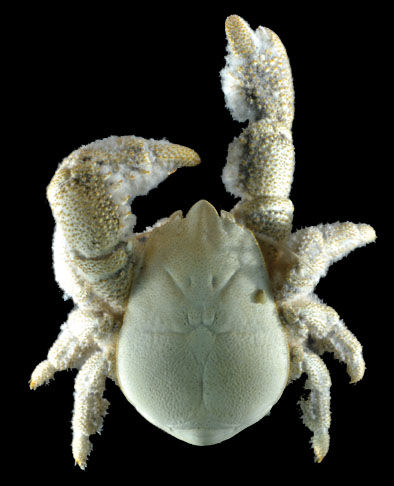
350 to 299 Million BC (3500 to 2990 Lakhs) ( CARBONIFEROUS PERIOD ) of years ago
350 Million (3500 Lakhs) of years ago
340 Million (3400 Lakhs) of years ago
330 Million (3300 Lakhs ) of years ago
320 Million (3200 Lakhs) of years ago
305 Million (3050 Lakhs) of years ago
299 to 251 Million BC (2990 to 2510 Lakhs) ( PERMIAN PERIOD ) of years ago
280 Million (2800 Lakhs) of years ago
Earliest beetles, seed plants and conifers diversify while lepidodendrids and sphenopsids decrease. Terrestrial temnospondyl amphibians and pelycosaurs (e.g. Dimetrodon) diversify in species.

275 Million (2750 Lakhs) of years ago
Therapsids synapsids separate from Pelycosaur synapsids ( to more... read this link )
Synapsids were the largest terrestrial vertebrates in the Permian period, 299 to 251 million years ago, although some of the larger pareiasaurs at the end of Permian could match them in size. As with other groups then extant, their numbers and variety were severely reduced by the Permian–Triassic extinction. By the time of the extinction at the end of Permian, all the older forms of synapsids (known as pelycosaurs) were already gone, having been replaced by the more advanced therapsids. Though the dicynodonts and Eutheriodontia, the latter consisting of Eutherocephalia (Therocephalia) and Epicynodontia (Cynodontia), continued into the Triassic period as the only known surviving therapsids, archosaurs became the largest and most numerous land vertebrates in the course of this period. The cynodont group Probainognathia, which includes Mammaliaformes, were the only synapsids who outlasted the Triassic. After the Cretaceous–Paleogene extinction event, the synapsids (in the form of mammals) again became the largest land animals.
251.4 Million ( 2514 Lakhs) of years ago
The Permian–Triassic extinction event eliminates over 90-95% of marine species. Terrestrial organisms were not as seriously affected as the marine biota. This "clearing of the slate" may have led to an ensuing diversification, but life on land took 30 million years to completely recover.
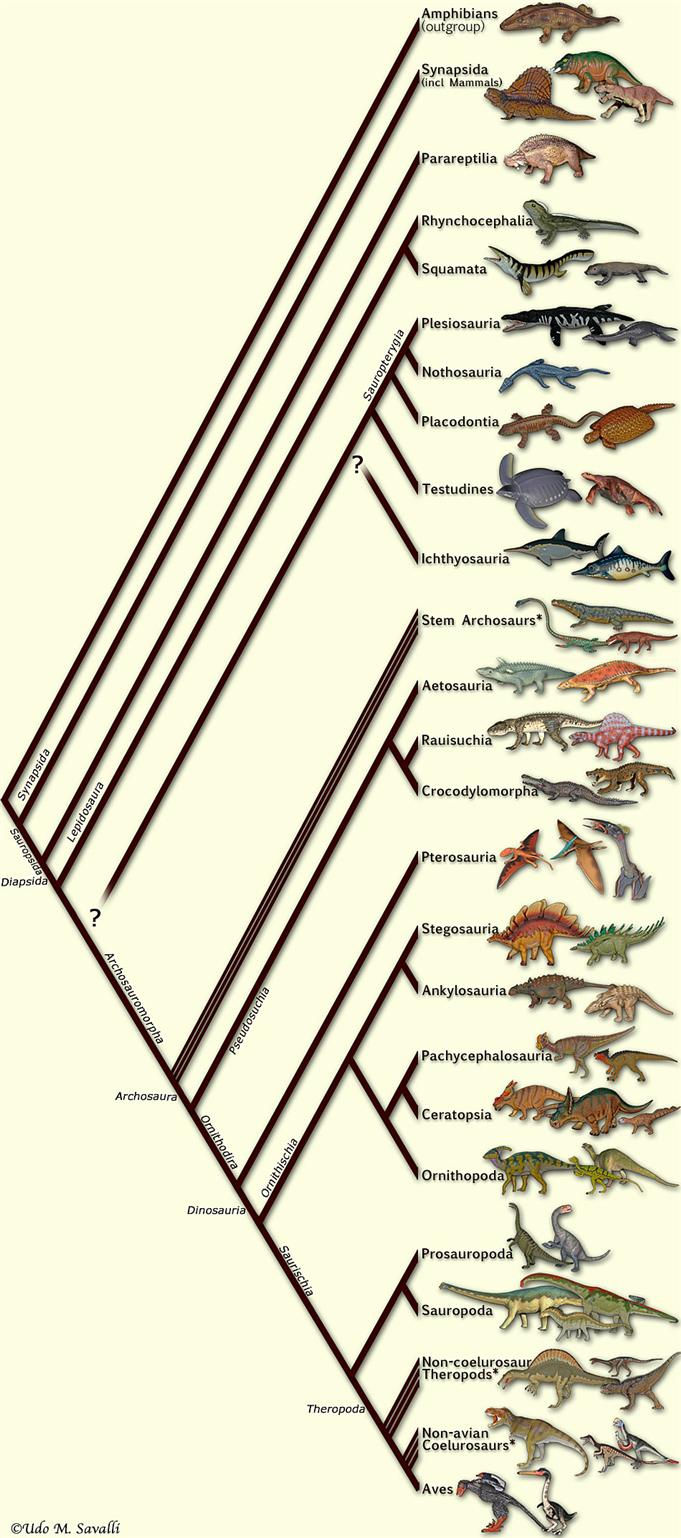
251.4 to 66 Million (2514 to 660 Lakhs) of years ago
From 251.4 Ma to 66 Ma and containing the Triassic, Jurassic and Cretaceous periods.
The Mesozoic Marine Revolution begins: increasingly well adapted and diverse predators pressurize sessile marine groups; the "balance of power" in the oceans shifts dramatically as some groups of prey adapt more rapidly and effectively than others.
248 Million (2480 Lakhs) of years ago
Sturgeon and paddlefish (Acipenseridae) first appear.
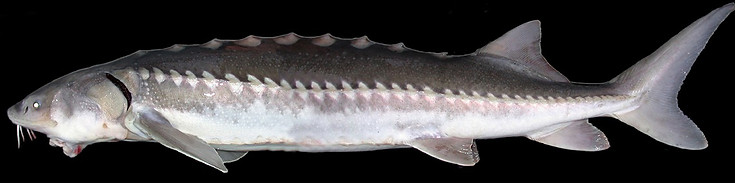
Sturgeon

Acipenseridae
245 Million (2450 Lakhs) of years ago
Earliest ichthyosaurs,
Ichthyosaurs dominated the world’s oceans for around 150 million years, but then disappeared from the fossil record after the mid-Cretaceous (around 95Ma). The cause of their sudden extinction remains a mystery. The empty ecological roles that this created were later filled by mosasaurs; relatives of modern monitor lizards including the Komodo dragon. In turn these reptiles died out during the Cretaceous-Tertiary mass extinction (65Ma), making way for the later evolution of modern whales, dolphins and tuna.

Ichthyosaurs
240 Million (2400 Lakhs) of years ago
Increase in diversity of gomphodont cynodonts and rhynchosaurs

Rhynchosaurs
225 Million (2250 Lakhs) of years ago
Earliest dinosaurs (prosauropods), first cardiid bivalves, diversity in cycads, bennettitaleans, and conifers. First teleost fishes. First mammals (Adelobasileus).

220 Million (2200 Lakhs) of years ago
Seed-producing Gymnosperm forests dominate the land; herbivores grow to huge sizes to accommodate the large guts necessary to digest the nutrient-poor plants.[citation needed] First flies and turtles (Odontochelys). First coelophysoid dinosaurs.

Odontochelys
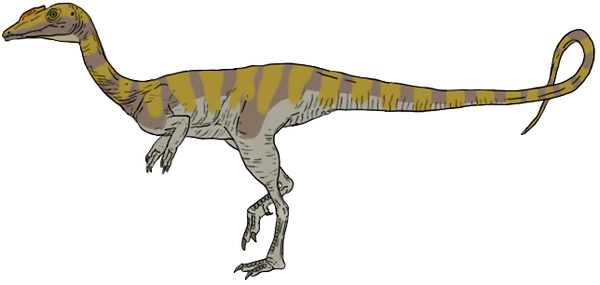
Coelophysoid dinosaur
200 Million (2000 Lakhs) of years ago
The first accepted evidence for viruses that infect eukaryotic cells (at least, the group Geminiviridae) existed.[58] Viruses are still poorly understood and may have arisen before "life" itself, or may be a more recent phenomenon.
Major extinctions in terrestrial vertebrates and large amphibians. Earliest examples of ankylosaurian dinosaurs

Ankylosaurian Dinosaurs